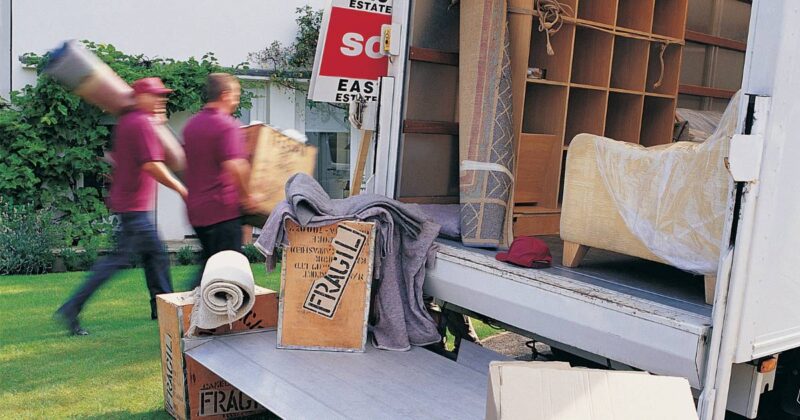
Moving to a new home is an exciting experience, but it can also be quite overwhelming. Once the movers have left and you’re surrounded by a sea of boxes, it’s easy to feel stressed out and unsure of where to begin. The key to making the unpacking process as smooth and efficient as possible is to have a plan in place. In this blog post, we’ll go over some tips and tricks to help you get your new home in order after the move.
Prioritize Your Unpacking
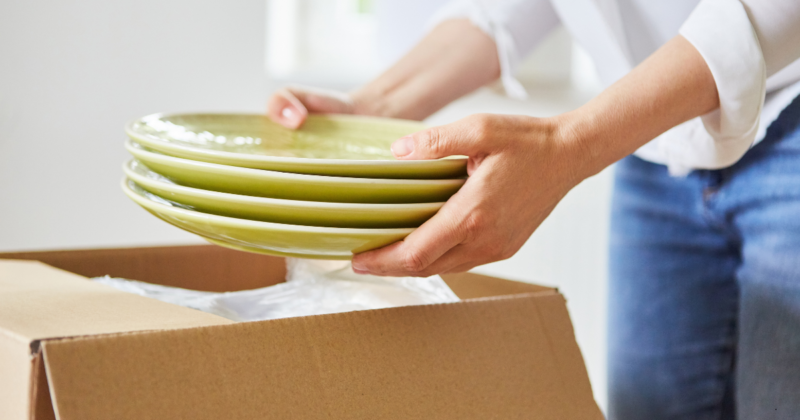
First things first, it’s important to prioritize your unpacking. You don’t need to unpack everything at once, and trying to do so will only leave you feeling frustrated and exhausted. Instead, focus on unpacking the essentials first. This includes things like bedding and toiletries, so you can get a good night’s sleep and freshen up in the morning. You’ll also want to unpack some basic kitchen items, such as plates, utensils, and a few pots and pans, so you can prepare meals without having to dig through boxes every time you get hungry. And don’t forget to set aside some clothing for the first few days, so you have something to wear while you’re getting settled in.
Create a Room-by-Room Plan
Once you’ve unpacked the essentials, it’s time to create a room-by-room unpacking plan. Start with the rooms you use the most, such as the kitchen, bathroom, and bedroom. These are the areas where you’ll be spending the most time, so it makes sense to get them set up first. As you move on to other rooms, focus on one at a time to avoid getting overwhelmed. It’s also a good idea to have a designated space for boxes that you’ve already unpacked, so you can keep track of your progress and avoid tripping over empty boxes.
Organize as You Unpack
As you’re unpacking, it’s important to organize as you go. This will save you a lot of time and hassle in the long run. Start by sorting your items into categories, such as keep, donate, or discard. This will help you get rid of anything you no longer need or want, and make more space for the things you do want to keep. As you’re sorting, try to group similar items together, such as all your books in one place or all your kitchen gadgets in another. This will make it easier to find things when you need them and keep your new home looking tidy.
Utilize Storage Solutions
Another great way to stay organized is to utilize storage solutions. Invest in some shelving units, storage bins, and organizers to keep your belongings in order. This is especially important in areas like the kitchen and bathroom, where you have a lot of small items that can easily get lost in the shuffle. Don’t forget to make use of vertical space as well, such as hanging organizers or over-the-door shelves. And be sure to label your boxes and containers, so you can easily find what you need without having to dig through everything.
Establish a Cleaning Routine
In addition to unpacking and organizing, it’s also important to establish a cleaning routine. Before you start unpacking each room, take some time to dust surfaces and vacuum or mop the floors. This will help you start with a clean slate and make the unpacking process a bit more pleasant. As you’re unpacking, be sure to dispose of packing materials promptly, so they don’t clutter up your space. And don’t forget to wipe down your belongings before putting them away, especially if they’ve been in storage for a while.
Take Your Time
One of the most important things to remember during the unpacking process is to take your time. Don’t try to rush through everything in a day or two, as this will only leave you feeling stressed and overwhelmed. Instead, set realistic goals for each day and take breaks when you need them. If you have family or friends who are willing to help, don’t be afraid to ask for their assistance. Even just having someone to talk to while you’re unpacking can make the process a bit more enjoyable.
Celebrate Your Progress
As you’re unpacking and getting settled in, don’t forget to celebrate your milestones along the way. Whether it’s finishing unpacking a particularly challenging room or getting all your boxes broken down and recycled, take a moment to pat yourself on the back and enjoy your progress.
Personalize Your Space
Finally, once you’ve finished unpacking, it’s time to personalize your space and make it feel like home. This is where you can really let your style shine through and create a space that reflects your personality. Hang up some artwork or photos that make you smile, and arrange your furniture in a way that feels comfortable and functional for your needs. Add some throw pillows or blankets in your favorite colors, and display some treasured items that have sentimental value.
Conclusion
In conclusion, the unpacking process can be a daunting task, but with a little planning and organization, it doesn’t have to be overwhelming. In case you are not able to do it, you can hire a mover. By prioritizing your unpacking, organizing as you go, and taking your time, you can get your new home in order and start enjoying your new space in no time. Remember to enlist help when you need it, celebrate your progress along the way, and personalize your space to make it feel like home. With these tips in mind, you’ll be able to tackle the unpacking process with confidence and ease.